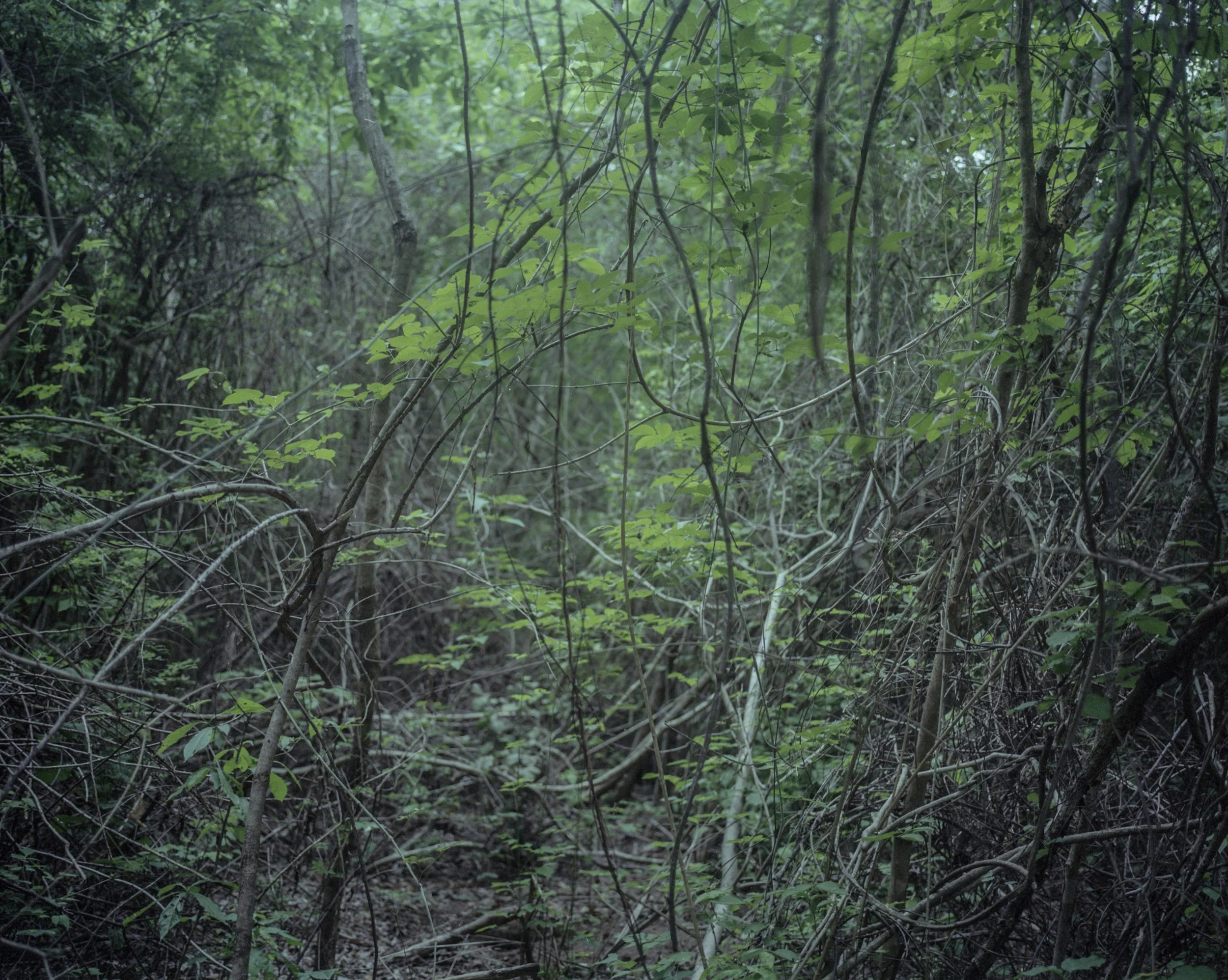
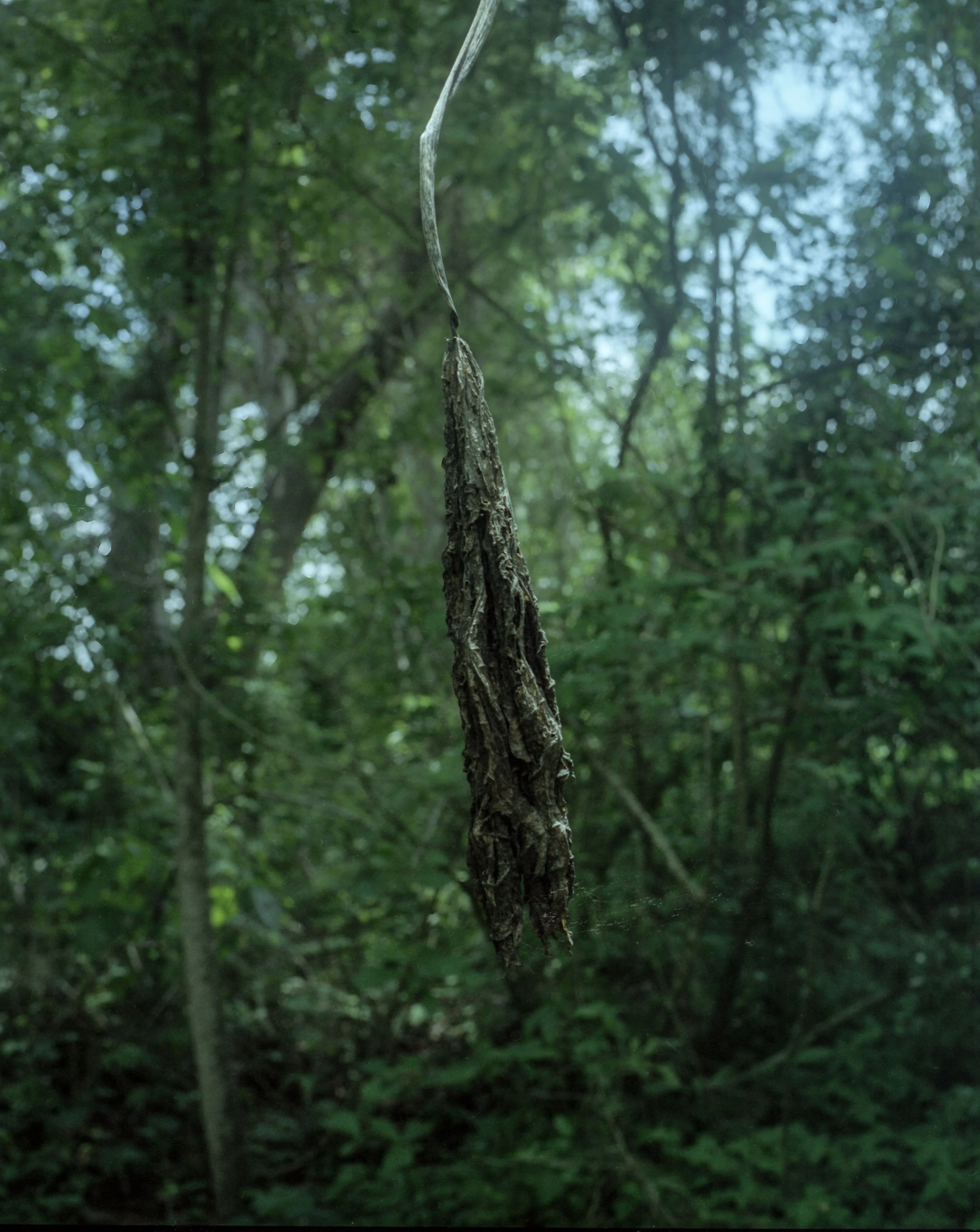
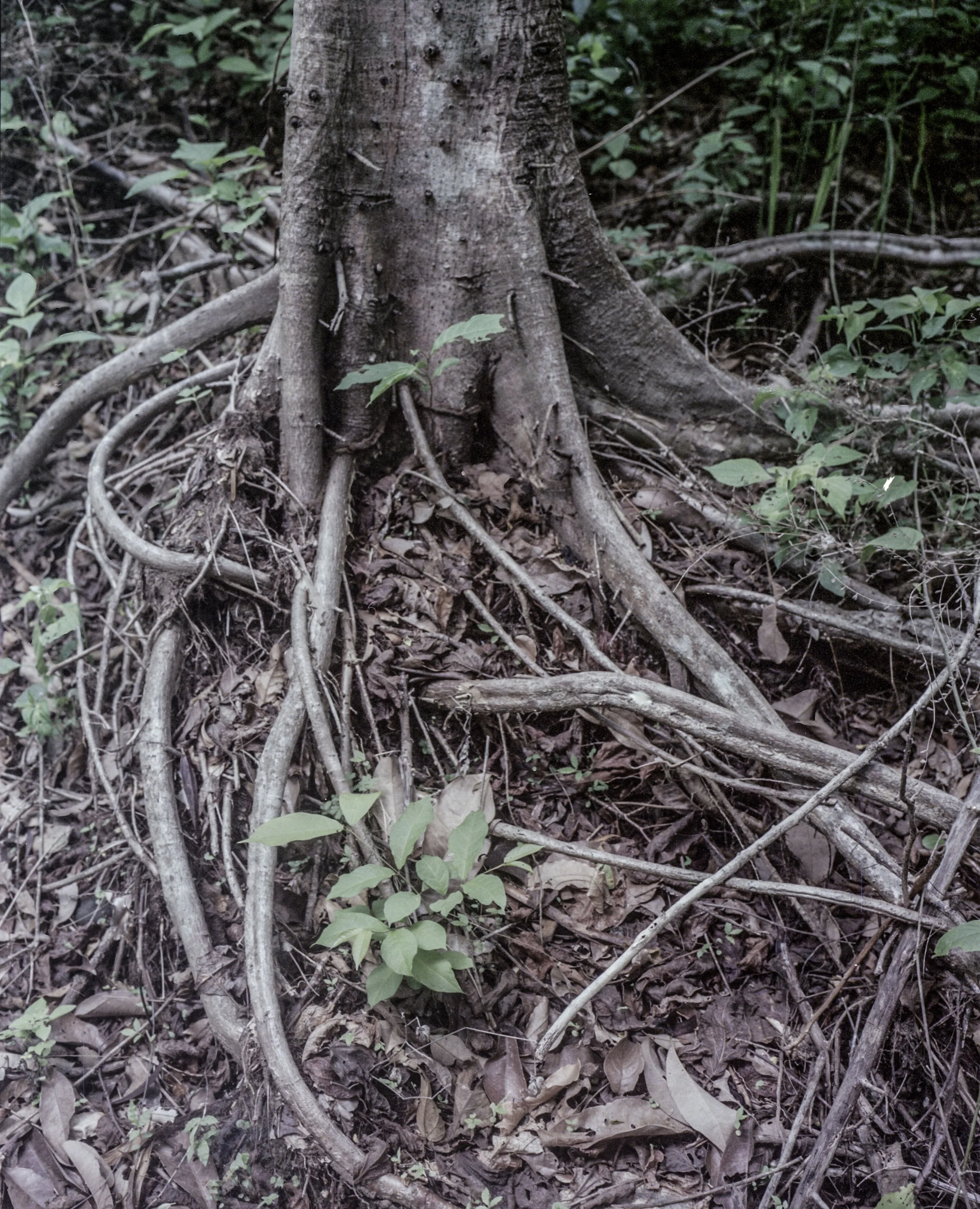
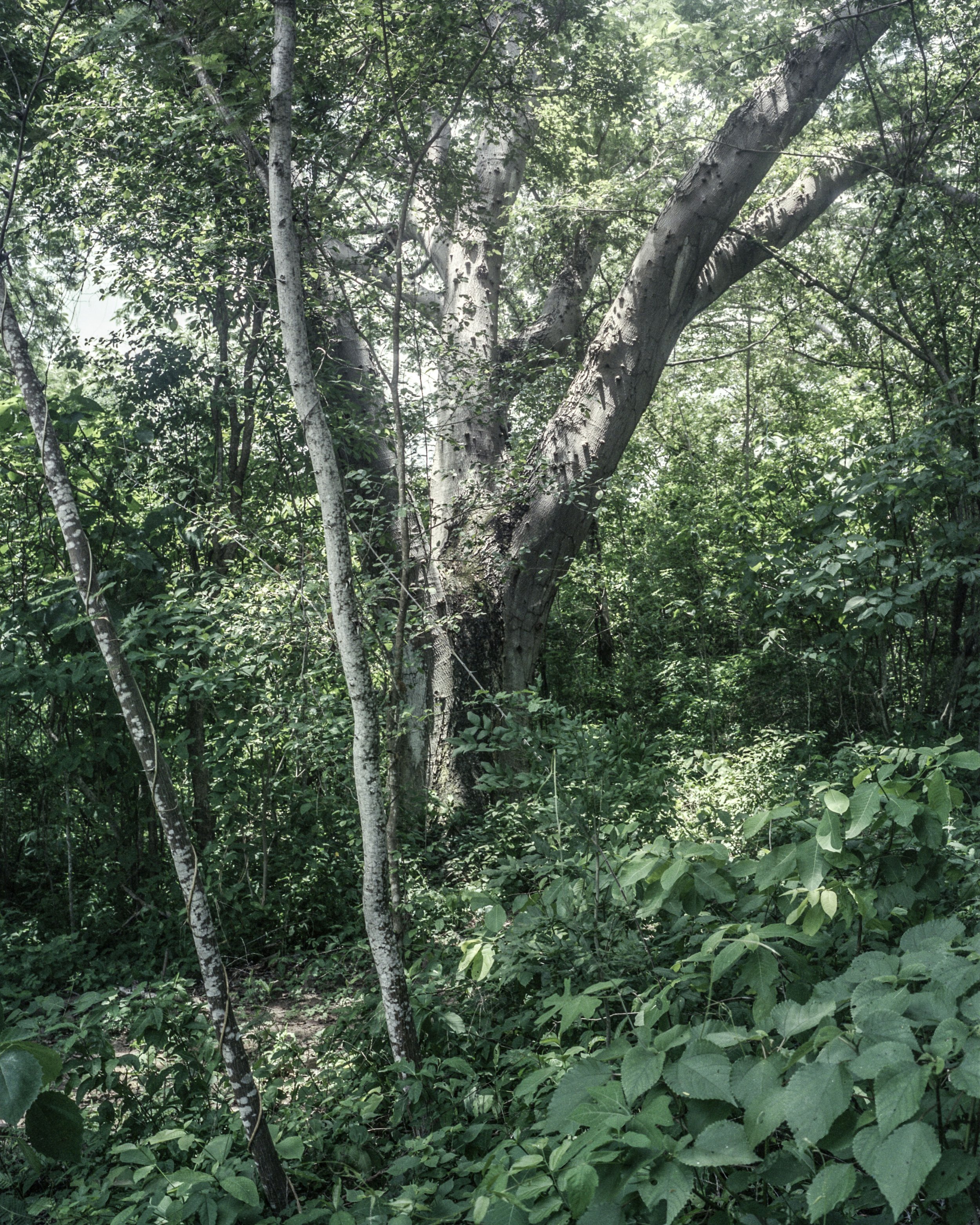
How would you prove that a piece of land is yours? Would you build a fence around it? Would you name it after yourself?
During the colonial era, various European empires fought over the lands of the so-called New World. They had decided that even though Peoples lived on these lands, these Peoples could not own these lands as it looked as though they had not done anything to the landscape. It looked too ‘natural,’ and it was not used to its full poten-tial as God had required from humankind according to Genesis. And so the European empires came up with concepts, ideas to help them claim the land. Some said: ‘First come, first serve.’ Which motivated empires to keep ‘discovering’ new lands. Yet others said, whoever cultivated the land could keep it. As a result, they started to cut down trees in the New World at a high speed to show that they had changed the land as God intended and therefore became the owners of the land. We can still see the ramifications today in landscapes that have been forever altered. And the ideas of exclusive ownership and exploitation of nature have become dominant around the world.
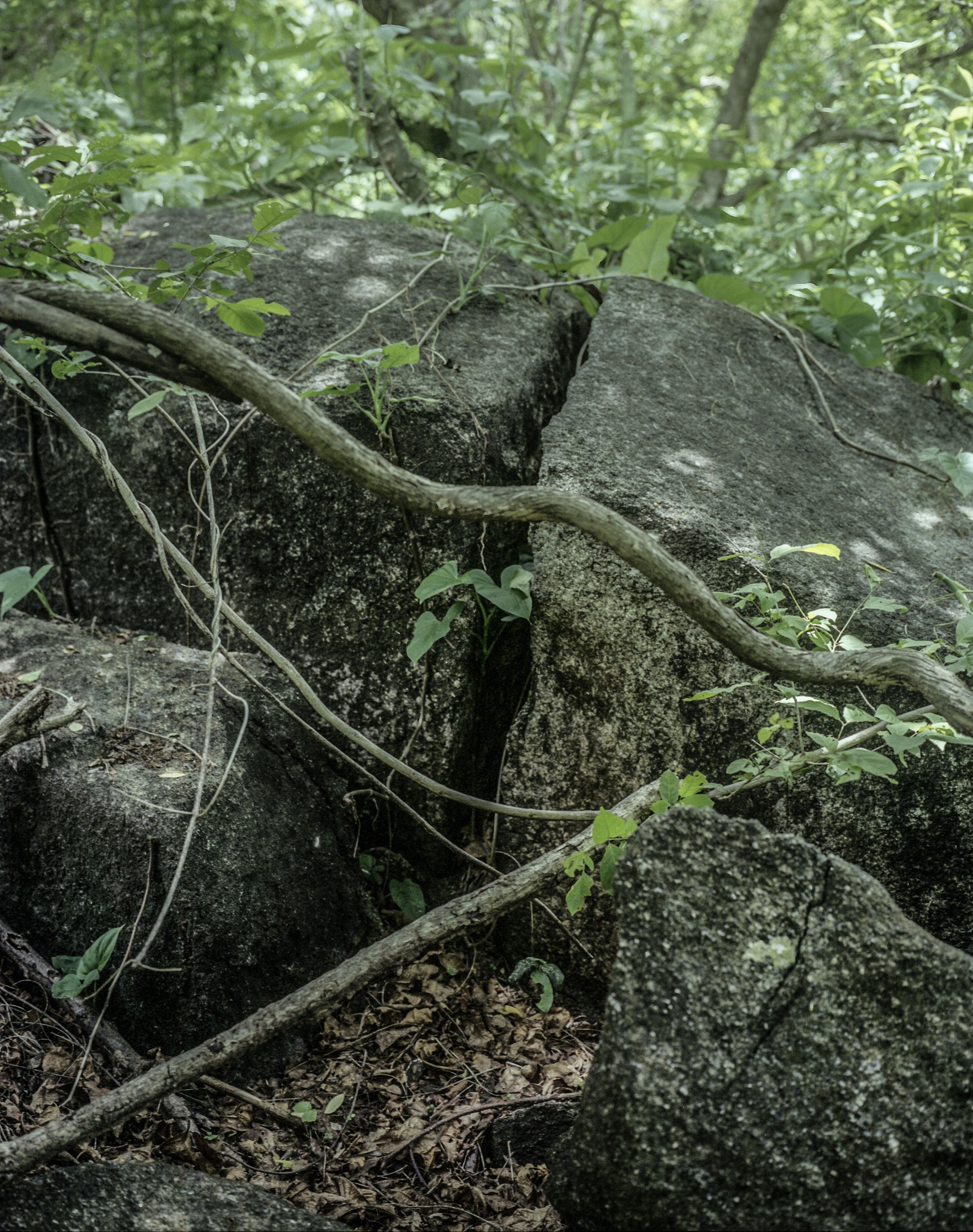
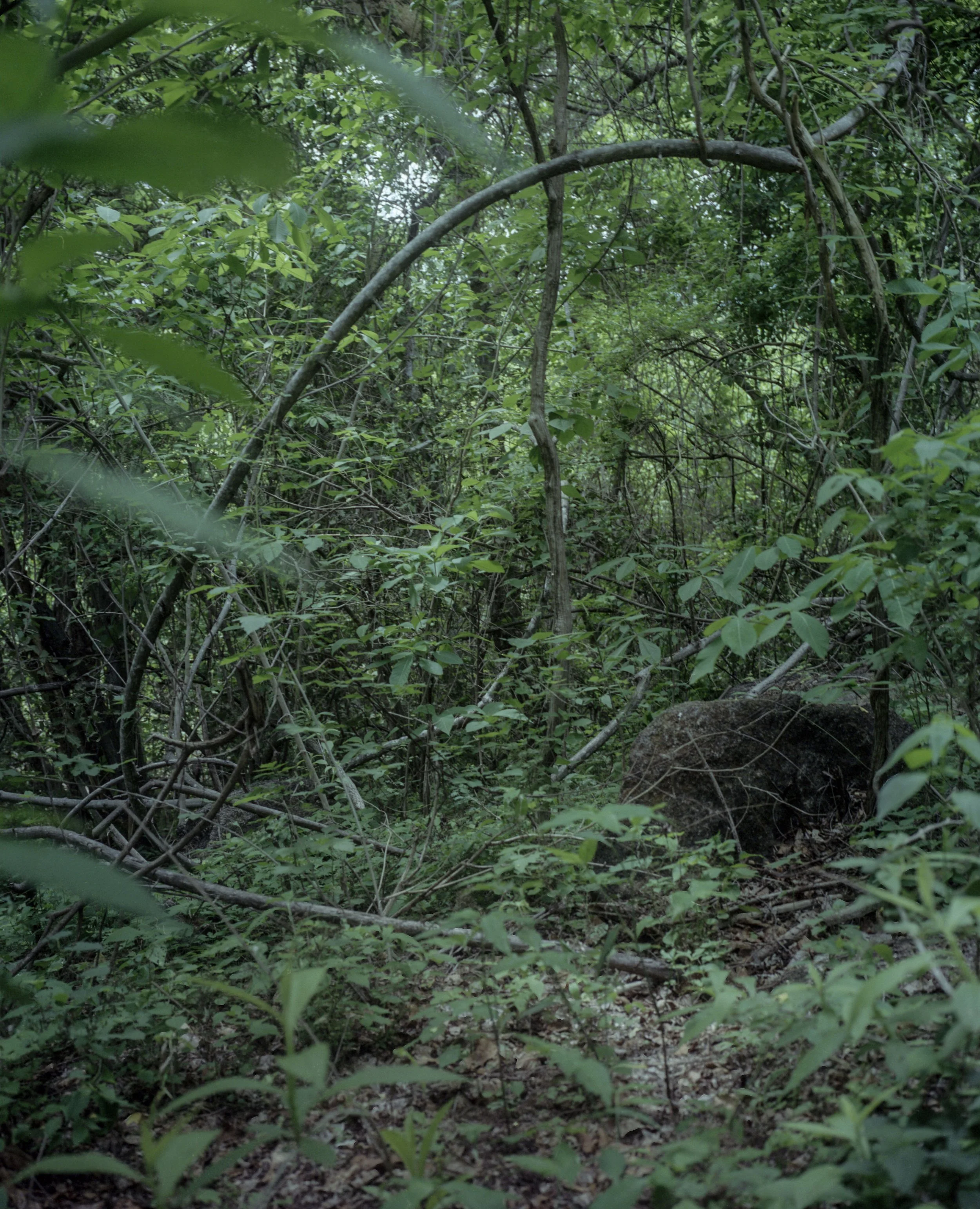
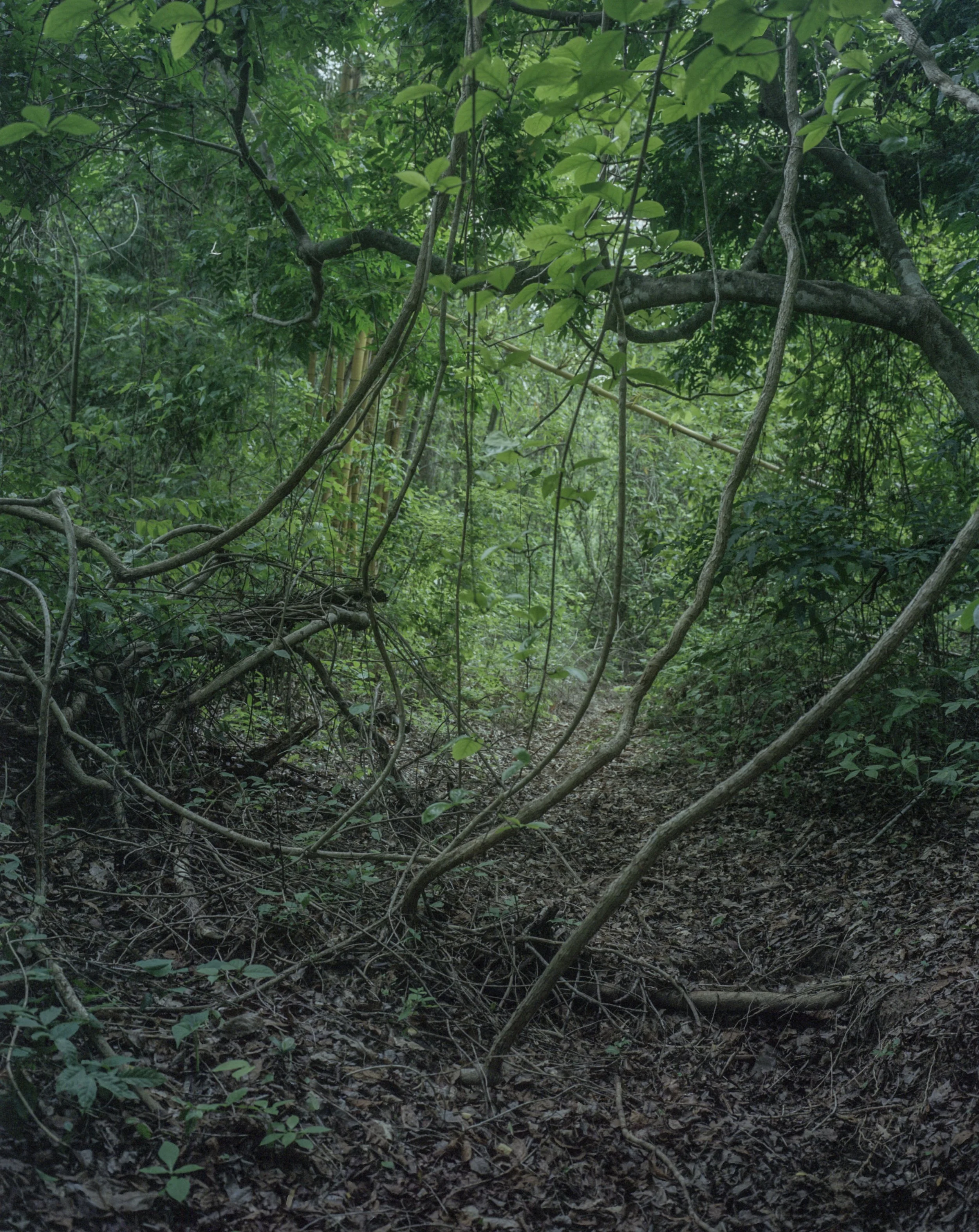
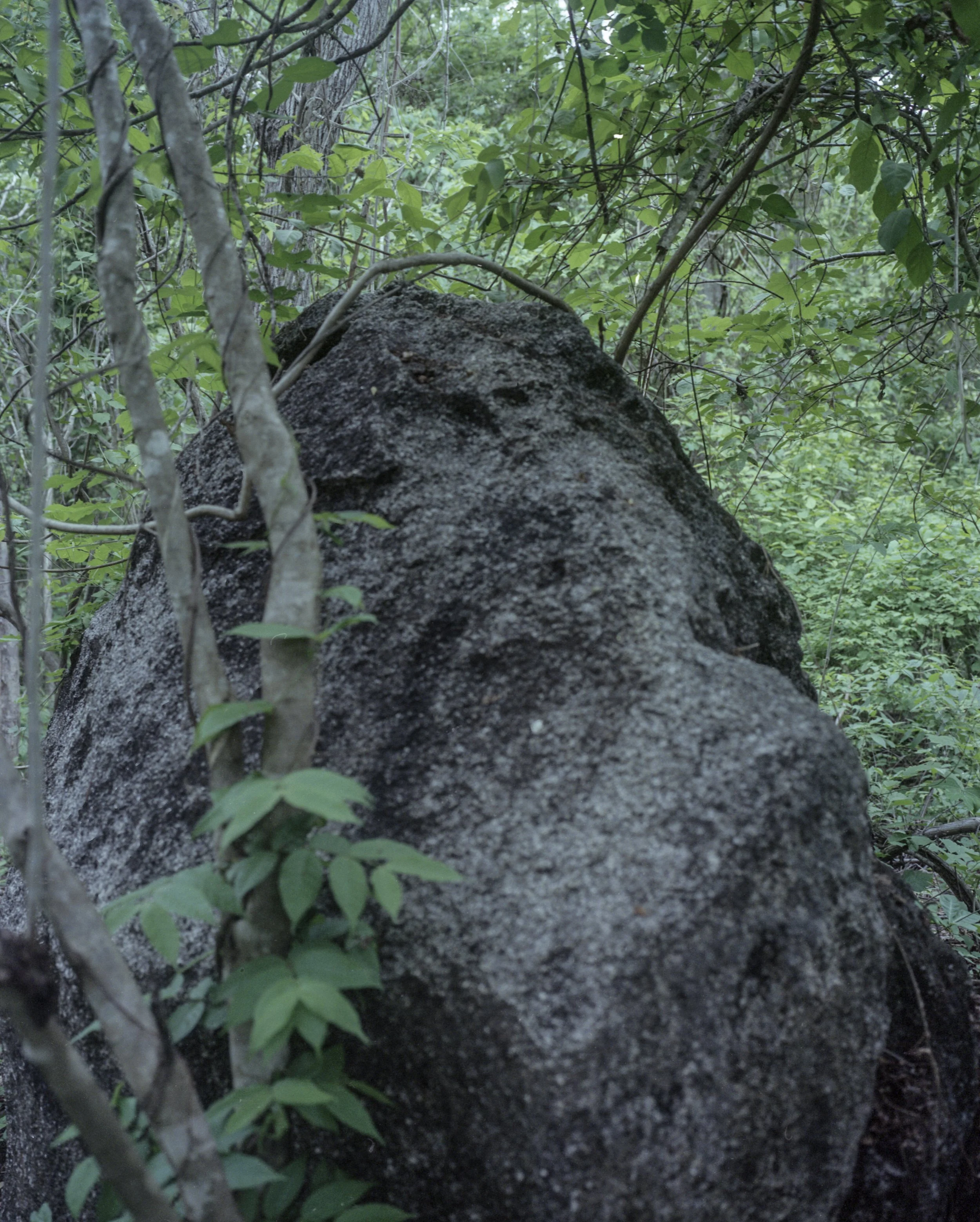
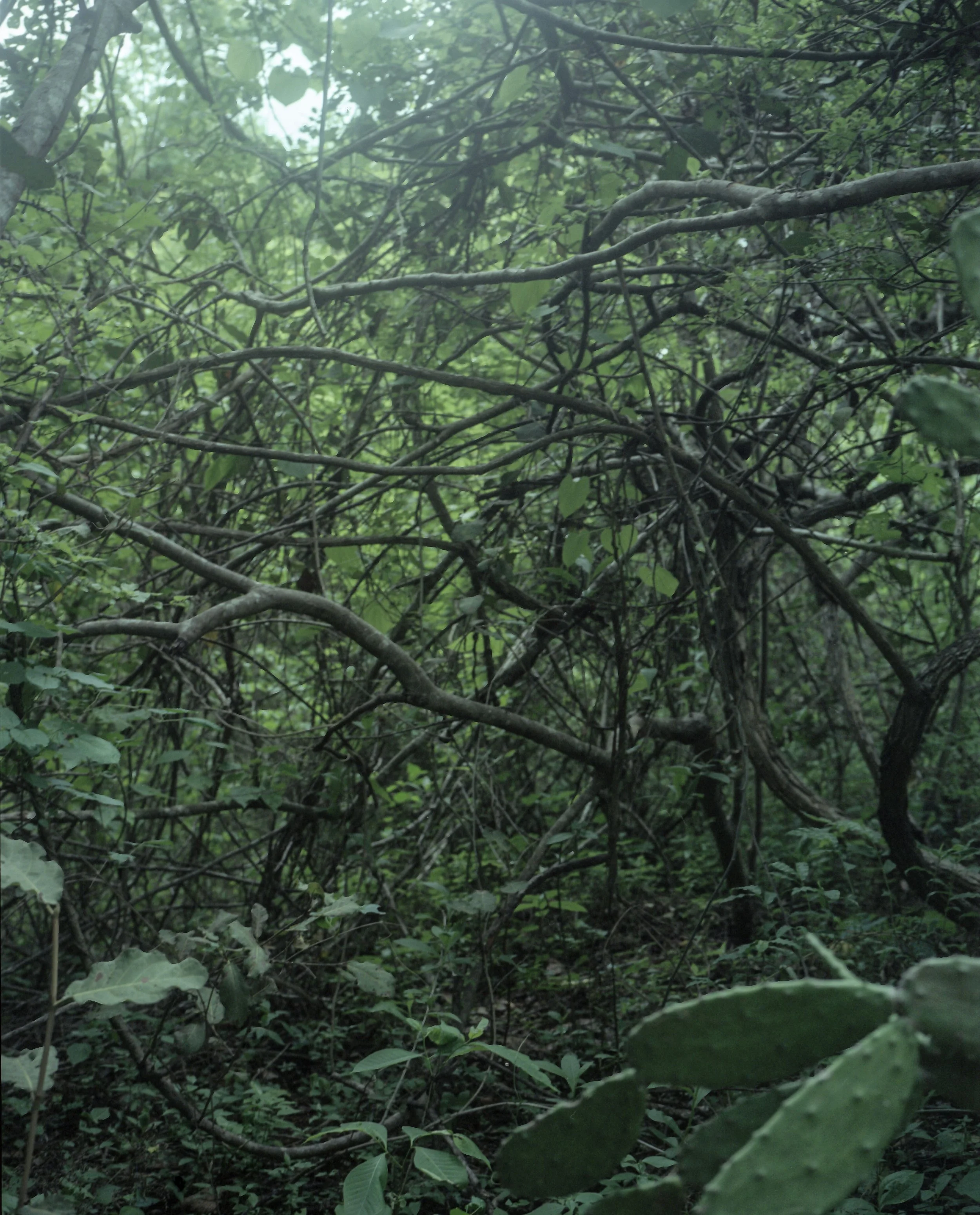
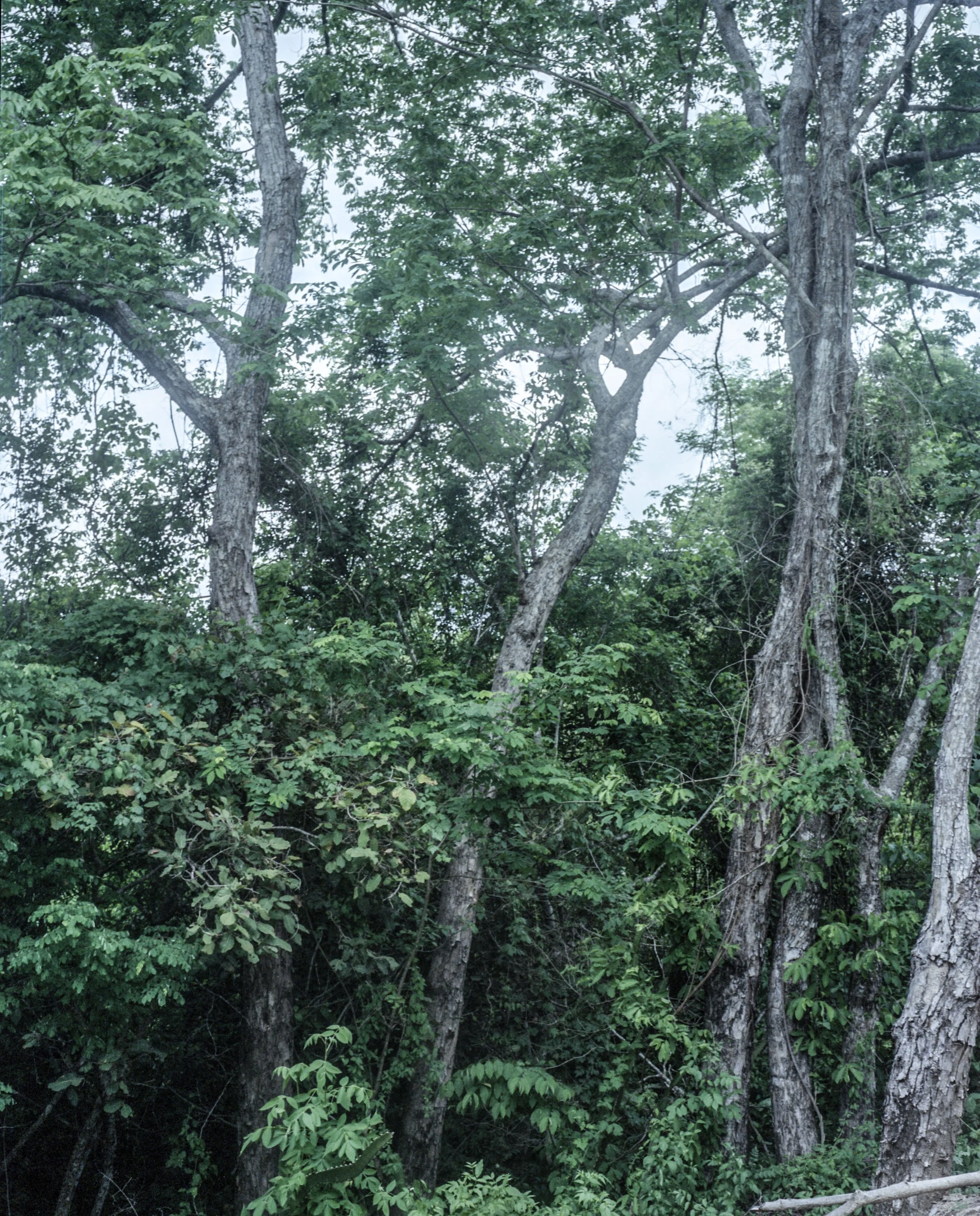
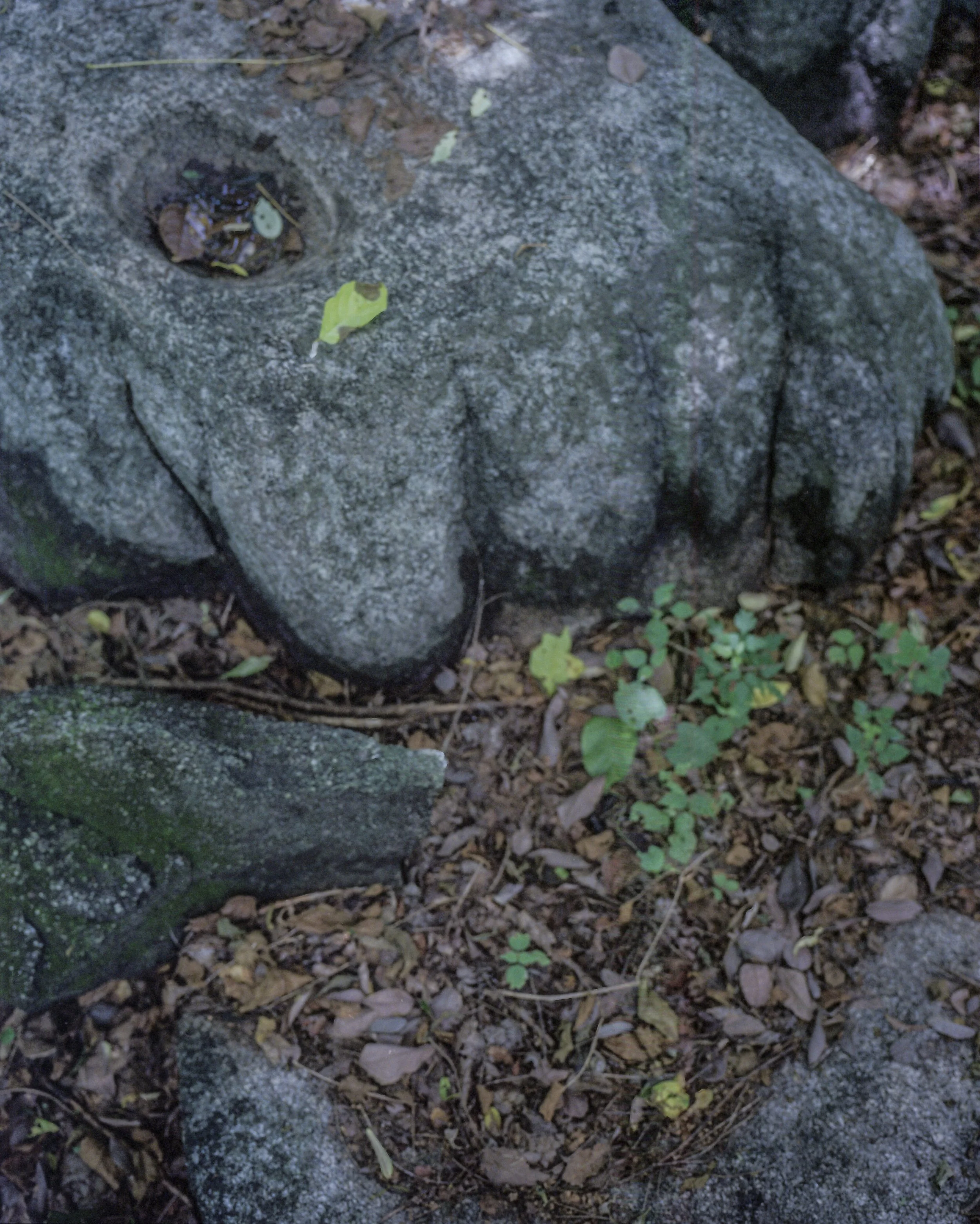
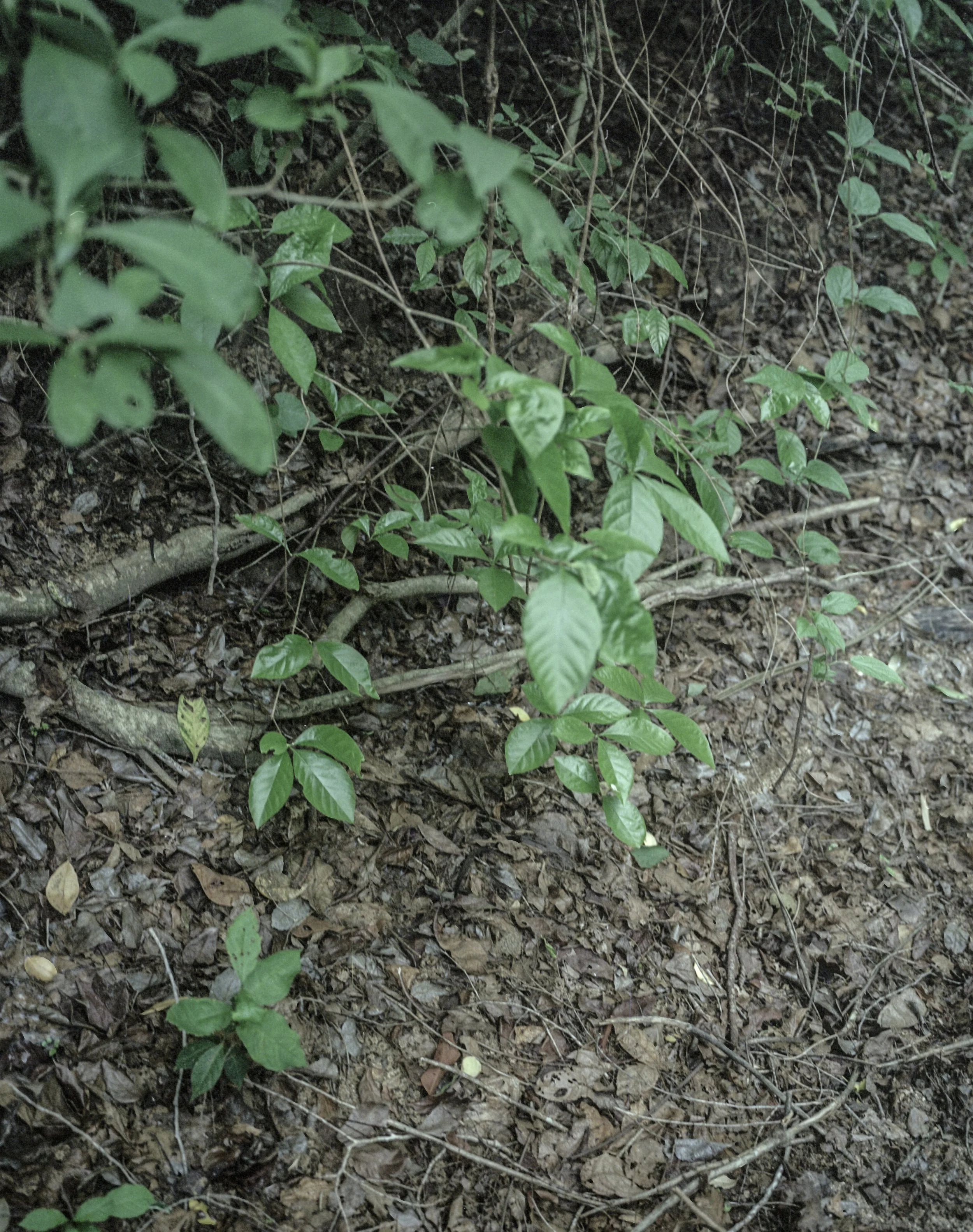
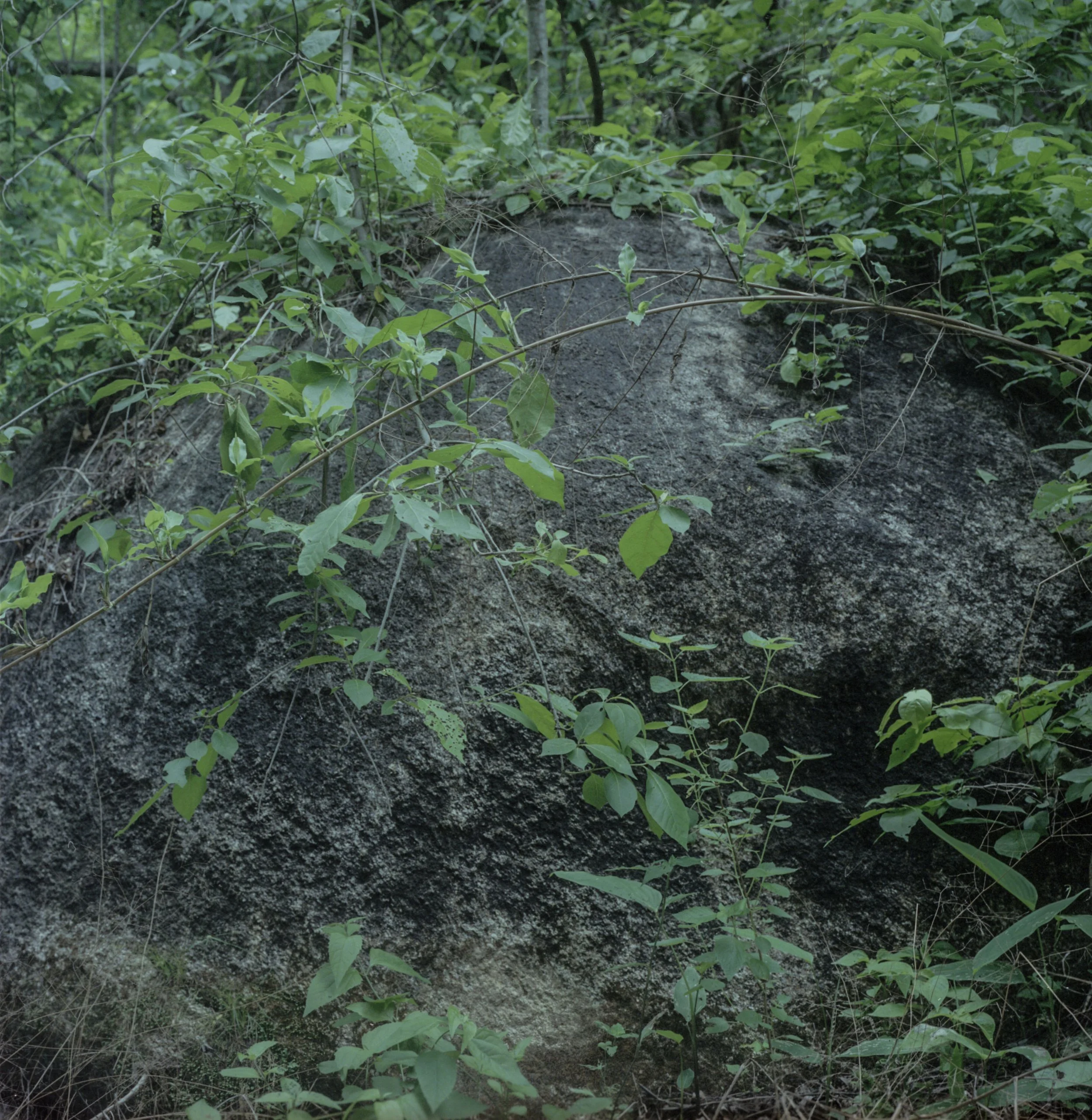
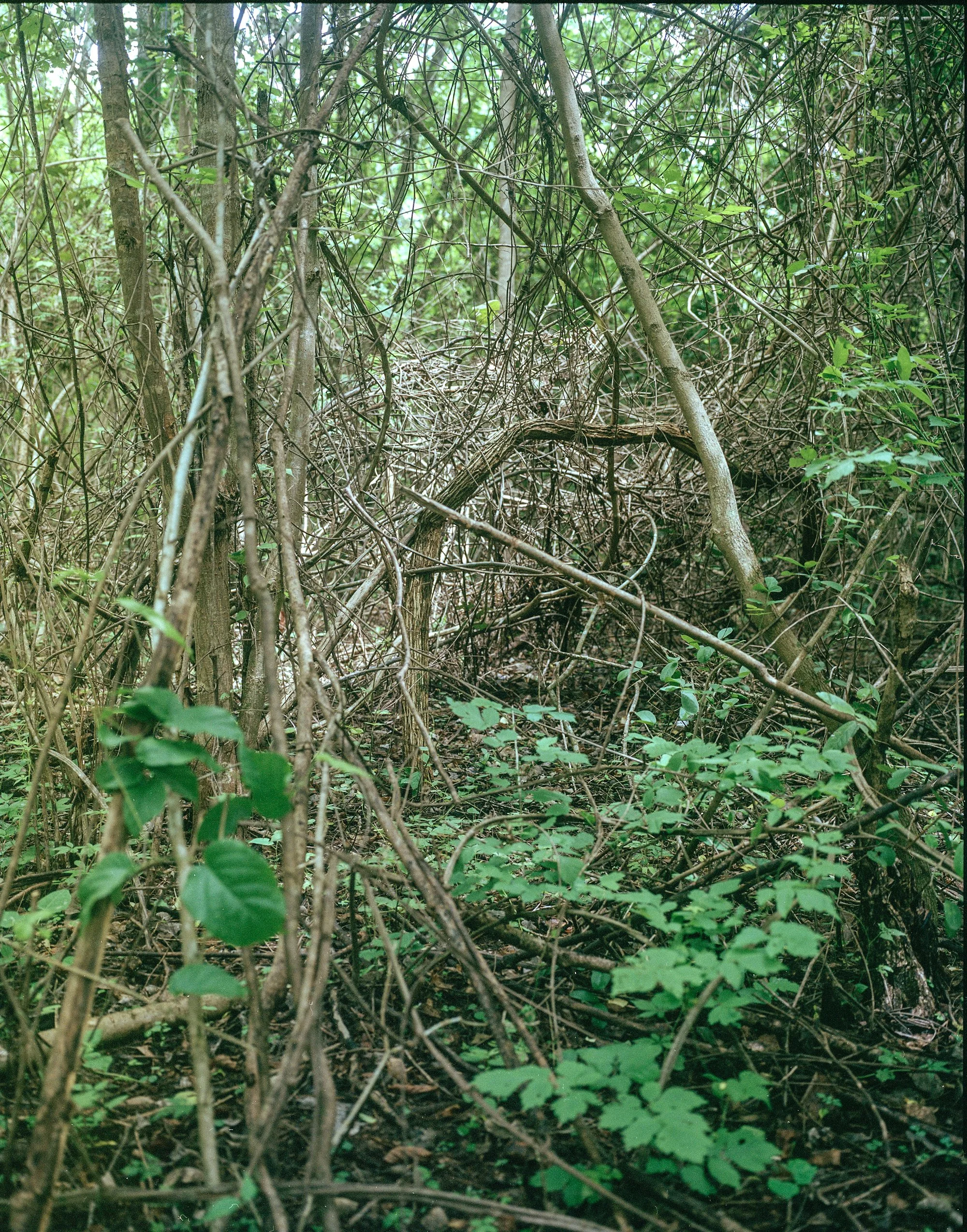
For the last eighteen years rame has been working preserving and understanding a piece of land heritade by his father through a mixed media documentation using photography, sound, video, organic recollection of seeds and plants, care and observation. The result, and archive of diverse mediums and formats including sculpture that resembles the habitat of the dry selva of coast of Oaxaca.
Preserving twelve hectares of land under the communal regimen of ownership represents itself a particular way to be part of a community where health and longevity is the major aspiration in an area where supermarkets are changing drastically the nutrition patterns of their people and the land and its Jungle.
Rame is fully aware that the term “political ecology,” as used herein, acknowledges approaches to the environment that, although potentially diver-gent, nevertheless insist on environmental matters of concern as inextricable from social, political, and economic forces. Since environmental stresses can be both a driver and consequence of injustice and inequality-including poverty, racism, and neocolonial violence— political ecology recognizes that the ways we regard nature carry deep implications and often unacknowledged ramifications for how we organize society, assign responsibility for environmental change, and assess social impact.
Usng his documentary photography background rame also start documenting the faces of those who live around the area, the guardians in a certain way, or perhaps the opposite in the other hand.
The idea that Maximum use has a morality. Using a Resource to its maximum potentialis good; to squander it is bad. Philosopher John Locke (unmarked says so. Land that is left wholly to Nature, that hath no improvement of Pasturage, tillage or Planting, is called, as indeed it is, wast [sic]; and we shall find the benefit of it amounts to little more than nothing.
Thorugh rame perspective we can comtemplate the jungle not as waste but as priviledge. A shift away from extractivist economics would mean halting the pervasive culture of demolition and moving towards a culture of repair, working out how to integrate regenerative bio-based materials into existing structures and shifting construction practices at every level, from education and training through to insurance and maintenance regimes.
From a reformist point of view, it would mean both engaging in construction practices based as far as possible on regenerative resources and being willing to interrogate the consequences of material choices on people, landscapes and ecosystems both close to hand and across the globe.
Our ancestors and our history are everywhere.
In the mountains in the seas and lakes
in the forest and on the fields
On hiking trails
In the spirit …..
….
Given the intersecting crises of our time – climate collapse, biodiversity loss, the waging of wars, food insecurity, the lack of affordable housing, growing (social) inequalities, and political polarization, to name but a few – it is hard to imagine hopeful futures. These issues are systemic, interconnected, and human-made, which means that they can be remade, but require complex and intricate responses. Driven by the imperatives of economic profit, efficiency, and growth, hopeful narratives and meaningful alternatives are often hijacked by oversimplified and single-minded solutions. Under the weight of the urgent crises, good intentions and the promotion of ecological integrity can easily become entangled in the same extractive methods and colonial patterns that have defined the modern era.
These historically grown patterns are still thriving today and are resurfacing due to the urgency of climate transitions. To meet European energy demands, for example, solar power plants are overtaking Moroccan desert towns and displacing Indigenous communities. Raw minerals and ‘cheap’ labor are being extracted from resource-rich areas around the world, in Chile and the Congo and soon in Portugal, for instance, to meet the burgeoning demand for batteries for our cars. Geopolitical conflicts increasingly involve the control of natural resources, serving the few rather than the common good: water infrastructures, for example, are being weaponized, exacerbating water shortages caused by the climate crisis. 11th edition of the International Architecture Biennale Rotterdam. Same situation is happening in the coast of Oaxaca where new roads comes with new industries taking over significant portions of jungle. Tress as Huanacastle, Macuil, Caoba, palo mulato…
The rights of nature describe a concept that recognizes the value of nature independent of human interests. Originating in the seminal article ‘Should Trees Have Standing’ by Christopher Stone (1972), it breathes life into a relational understanding between humans and their environment. It is an understanding that has always co-existed in both Western and non-Western worlds. It is one, how-ever, that was all too frequently ignored.
The ways in which we use soil have long broken with the reciprocal, regenerative cycle that sustained the biosphere through most of the Earth’s history. Healthy soils are made of an incredibly diverse range of biological matter, from fungi, bacteria and viruses through to mites, worms and microscopic insects. About 25% of biodiversity lives in our soils - and they are the largest terrestrial store of carbon.
Healthy soil biomes sustain complex cycles of nutrient ex-change, storage and fixing, and support the mechanisms which store the water and minerals essential to plant life. All of these capabilities are at significant risk due to over-exploitation and misuse.
Nothing is truly solid. Unseen particles of nearly immeasurable size pass through everything we see.
Time moves on.
The bones remain, resonating a life passed. Casting a shadow that solidifies in memory though the wind , shadows and sound of the jungle.